







• 0207 164 6821
  • enquiries@npsych-rehab.com
  • Children’s Mental Health Week – early specialist assessment for children and adolescents
    By Carlos Gonzalez / February 23, 2026

    Every child develops at their own pace. Some are naturally quiet and reflective; others are energetic, curious and constantly on the move. Differences in attention, emotional regulation, learning, or social interaction are often part of typical development.

    However, when these differences begin to affect a child’s wellbeing, education, or relationships, early understanding becomes essential.

    Children’s Mental Health Week is a reminder that mental health in childhood is not a “later” issue, it is foundational. The patterns shaped in early years can influence outcomes across adolescence and adulthood.

    Why early support matters

    Early identification and timely support are consistently linked with better long-term psychological, educational and social outcomes. When difficulties are recognised early:

    • Children gain insight into how their minds work
    • Parents receive clarity and practical guidance
    • Schools can put appropriate support in place
    • Early strategies can reduce escalation in adolescence

    Without early understanding, some children begin to internalise difficulties. Over time, this may affect confidence, self-esteem, identity, school engagement and emotional wellbeing.

    Early support and assessment can change life trajectories.

    Why early specialist assessment can be so helpful

    Early specialist assessment helps us understand how a child thinks, learns, and manages emotions, allowing support to be tailored to their needs, rather than relying on generic strategies or guesswork.

    Importantly, it brings together the cognitive and emotional picture. Understanding a child’s memory, attention, learning style, and emotional wellbeing helps professionals see the whole child, not just individual difficulties.

    By looking at how children think, feel, and interact with others, support can be built around their unique strengths and needs. When cognitive skills and emotional regulation are considered together, children are more likely to receive the right help at the right time.

    At NPsych, our assessment work sits within our broader Neuropsychology and Mental Health services, ensuring recommendations translate into practical support and meaningful outcomes.

    When might an assessment be helpful?

    Parents often notice subtle signs long before concerns are formally raised. An assessment may be helpful if you’re seeing:

    • Persistent anxiety or heightened worry
    • Intense emotional reactions or difficulties with regulation
    • Attention, impulsivity or hyperactivity that disrupts daily life
    • Social communication challenges or friendship difficulties
    • Learning, memory, or processing concerns
    • Behaviour changes following trauma, stress, or significant transitions

    Seeking an assessment doesn’t mean something is “wrong”. It means you are seeking clarity.

    A thorough neuropsychological or psychological assessment can help identify strengths, understand challenges, and guide appropriate support at home and at school.

    Supporting parents as well as children

    Parents frequently tell us that uncertainty is the hardest part. Not knowing whether a behaviour is developmental, situational, or something more persistent can be stressful, especially when you’re trying to do the right thing.

    Assessment provides answers and answers reduce uncertainty.

    Early support isn’t about labels. It’s about understanding what a child needs, building tailored strategies, and helping them feel supported rather than misunderstood.

    A proactive approach: assessment, formulation, intervention and review

    Children’s Mental Health Week encourages us to move from reactive to proactive care. Instead of waiting for difficulties to intensify, early conversations and early assessment can offer direction and reassurance.

    At NPsych, our work typically follows a structured pathway:

    • Assessment to understand cognitive, emotional and behavioural functioning
    • Formulation to make sense of what’s driving the difficulties, and what’s maintaining them
    • Intervention to put tailored strategies and therapy in place
    • Review to track progress, refine recommendations and ensure support remains aligned

    Through careful assessment, personalised planning, and ongoing support, children can develop confidence and resilience over time.

    Connecting families to the right specialist support

    When concerns are identified early, families can be guided towards specialist services that offer in-depth assessment and tailored support, giving children the best opportunity to thrive at home, at school, and socially.

    At NPsych, families can contact us directly to discuss concerns and explore the most appropriate next step. 

    Because when support is provided early, the impact can last a lifetime.

    If you’d like to explore whether an assessment could be helpful, please get in touch with NPsych and we’ll advise on the most appropriate next step.

  • Dementia is an umbrella term that describes a decline over time in cognitive functions such as memory, thinking skills, understanding and speech. Dementia has enormous, personal, societal and economic effects. According to NHS England (2024), 481,783 people have been diagnosed with dementia as of April 2024, and of those diagnosed, 33,711 received their diagnosis before the age of 65. The Alzheimer’s Society estimates that 900,000 people in the UK actually have dementia, which may rise to 1.6 million by 2040. Of the 900,000 people with dementia in the UK, over 78,000 are under the age of 65, and there are 25,000 from Black, Asian and minority ethnic groups. One in six people over the age of 80 has dementia.
    By Carlos Gonzalez / February 24, 2025

    #NPsychResearch: What can EMDR offer people living with dementia and their carers?

    Some important new research out from the EMDR association regarding EMDR for people living with dementia and their carers. Also, well done to our very own Lucilla Carlacci De Mattia, who was one of the authors!

    Dementia is an umbrella term that describes a decline over time in cognitive functions such as memory, thinking skills, understanding and speech. Dementia has enormous, personal, societal and economic effects. According to NHS England (2024), 481,783 people have been diagnosed with dementia as of April 2024, and of those diagnosed, 33,711 received their diagnosis before the age of 65. The Alzheimer’s Society estimates that 900,000 people in the UK actually have dementia, which may rise to 1.6 million by 2040. Of the 900,000 people with dementia in the UK, over 78,000 are under the age of 65, and there are 25,000 from Black, Asian and minority ethnic groups. One in six people over the age of 80 has dementia.

    Read More…

  • By Carlos Gonzalez / January 13, 2025

    #NPsychPick of the Month: New Insights into Social Development: How Infants Perceive Wealth

    A groundbreaking study by Arianne Eason et al. recently published in the Journal of Experimental Psychology: General delves into when and how infants begin to perceive wealth differences—and the behavioral changes that result. This research reveals the emergence of wealth-based biases as early as 15 months of age.

    Key findings include:

    • Infants track wealth differences: By 15–18 months, children recognize cues of “rich” versus “poor” and exhibit a preference for wealthier individuals.
    • Behavior influenced by wealth cues: Across several experiments, toddlers were more likely to choose, help, and interact with actors perceived as wealthy.
    • Negative evaluations of poverty: Infants also linked negative attributes more readily to individuals with fewer resources, suggesting the emergence of evaluative biases.
    • Developmental timeline: Wealth-based biases were absent in younger infants (11–13 months), highlighting their developmental emergence during the second year of life.

    From an evolutionary perspective, these findings might reflect adaptive strategies aimed at securing resources. However, they also underline how early societal inequalities can shape perceptions and interactions.

    This research calls for critical reflection on how societal biases infiltrate developmental processes and the implications for fostering equity from an early age.

    For further reading: Eason et al. (2024), The Haves and Have-Nots: Infants Use Wealth to Guide Social Behavior and Evaluation ????????

    Read More Here…

  • Neurorehabilitation in brain tumours: evidences and suggestions for spreading of knowledge and research implementation
    By Carlos Gonzalez / November 19, 2024

    Neurorehabilitation in brain tumours: evidences and suggestions for spreading of knowledge and research implementation via Current Opinion in Oncology.

    Bartolo, M., Intiso, D., & Zucchella, C. (2023). Neurorehabilitation in brain tumours: evidences and suggestions for spreading of knowledge and research implementation. Current opinion in oncology, 35(6), 543–549.

    Summary:

    Drawing from the article “Neurorehabilitation in brain tumours: evidences and suggestions for spreading of knowledge and research implementation” by Bartolo, Intiso, and Zucchella, this review highlights the critical role of neurorehabilitation in addressing the sensory-motor and cognitive challenges caused by brain tumours and their treatments.

    Key Takeaways:

    • Early evaluation through a multidisciplinary approach identifies diverse functional impairments.
    • Tailored rehabilitation programs address physical, cognitive, psychological, and social aspects, improving recovery and participation.
    • Collaborative care helps patients rebuild their lives and enhances their overall quality of life.

    ???? The Way Forward:

    There’s a growing need to promote awareness of rehabilitation among neuro-oncologists and to drive high-quality research in this field.

    Read More Here…

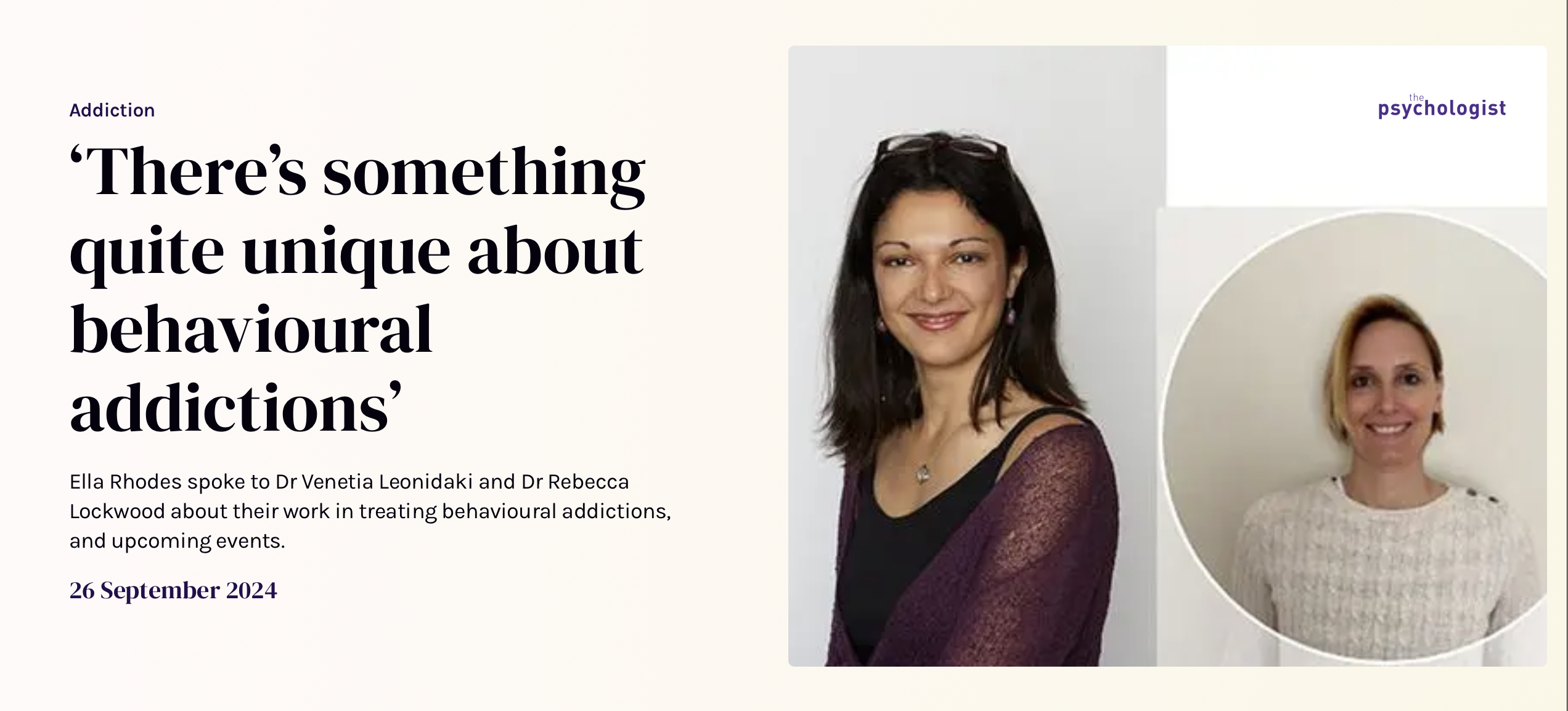
  • ‘There’s something quite unique about behavioural addictions’ Ella Rhodes spoke to Dr Venetia Leonidaki and Dr Rebecca Lockwood about their work in treating behavioural addictions, and upcoming events.
    By Carlos Gonzalez / October 23, 2024

    Ella Rhodes spoke to Dr Venetia Leonidaki and Dr Rebecca Lockwood about their work in treating behavioural addictions, and upcoming events via The Psichologist.

    Dr Venetia Leonidaki (pictured, left) is a Consultant Clinical Psychologist at the National Gambling Clinic, and Dr Rebecca Lockwood is a Consultant Clinical Psychologist at the National Centre for Gaming Disorders.

    Read The Interview Here…

  • The Carers Way Ahead is a free web-based psychoeducation program to help families and carers learn how to respond in positive and helpful ways to challenging behaviours that their person with a brain injury may engage in.
    By Carlos Gonzalez / September 20, 2024

    Strategies to help families and carers manage challenging behaviour in their person with traumatic brain injury.

    The Carers Way Ahead is a free web-based psychoeducation program to help families and carers learn how to respond in positive and helpful ways to challenging behaviours that their person with a brain injury may engage in.

    Read More…


  • Efficacy of an Intensive Exposure Intervention for Individuals With Persistent Concussion Symptoms Following Concussion: A Concurrent Multiple Baseline Single-Case Experimental Design (SCED) Study.
    By Carlos Gonzalez / September 2, 2024

    Efficacy of an Intensive Exposure Intervention for Individuals With Persistent Concussion Symptoms Following Concussion: A Concurrent Multiple Baseline Single-Case Experimental Design (SCED) Study.

    King, Skye MSc; Stapert, Sven Z. PhD; Winkens, Ieke PhD; van der Naalt, Joukje PhD, MD; van Heugten, Caroline M. PhD; Rijkeboer, Marleen M. PhD

    #NPsychPick of the Month

    Abstract

    Objective:

    After a concussion, 1 in 3 patients report persistent symptoms and experience long-term consequences interfering with daily functioning, known as persistent concussion symptoms (PCS). Evidence suggests PCS is (partly) maintained by anxious thoughts about brain functioning, recovery, and experienced symptoms, leading to avoidance behaviors, which may prevent patients from meeting life demands. We aimed to investigate the efficacy of a newly developed intensive exposure intervention for individuals with PCS after concussion aimed to tackle avoidance behavior.

    Setting:

    Participants took part in the intervention at the Maastricht University faculty.

    Participants:

    Four participants who experienced PCS after concussion partook in the exploratory study. Participants’ age ranged between 20 and 32 (mean = 26.5, SD = 5.9) years, with an average length of time after the concussion of 9.8 months.

    Design:

    A concurrent multiple-baseline single-case design was conducted. The baseline period (A phase) length was randomly determined across participants (3, 4, 5, or 6 weeks). The exposure intervention (B phase) was conducted by psychologists over a 4-week period and consisted of 3 stages: exploration (2 sessions), active exposure (12 sessions conducted over 1 week), and 2 booster sessions.

    Main Measures:

    Participants answered daily questions on a visual analog scale related to symptom experience, satisfaction with daily functioning, and degree of avoidance of feared activities. Additional outcomes included symptom severity, catastrophizing, fear of mental activity, anxiety, depression, and societal participation.

    Results:

    Tau-U yielded significant effects (P < .05) for all participants on all measures when comparing baseline and intervention phases. The pooled standardized mean difference was high for all measures (symptom experience = 0.93, satisfaction of daily functioning = 1.86, and activity avoidance = −2.05).

    Conclusions:

    The results show efficacy of the newly developed intensive exposure treatment for PCS after concussion, which is based on the fear avoidance model. Replication in a larger heterogeneous sample is warranted and needed.

    Read More…

  • By Carlos Gonzalez / July 18, 2024

    12 rehab mantras.

    The rehab mantras summarise important principles of neurorehabilitation in short, memorable and repeatable nuggets. Find out what they mean, the research behind them, and discover to what extent they can contribute to best practices.

    by Brainkind

    #NPsychPick of the Month

    Read More…

  • By Carlos Gonzalez / June 13, 2024

    Mood Tracker: A Randomized Controlled Trial of a Self-Monitoring Intervention for Emotional Distress After Traumatic Brain Injury.

    Sherer, Mark PhD; Juengst, Shannon PhD; Sander, Angelle M. PhD; Leon-Novelo, Luis PhD; Liu, Xiangyi MS; Bogaards, Jay MA; Chua, Wilma BBA; Tran, Kim MA

    #NPsychPick of the Month

    Abstract

    Objective:

    Persons with traumatic brain injury (TBI) frequently experience emotional distress (ED) manifested in anxiety and depression. However, they may not access mental health services due to external (eg, access, transportation, and cost) or internal (eg, stigma and discomfort with traditional counseling) barriers. Based on substantial literature indicating that self-monitoring can ameliorate several health conditions, we conducted a randomized, parallel group, wait-list control (WLC) trial of a self-monitoring intervention to decrease ED after TBI.

    Setting:

    Community in the southwestern United States.

    Participants:

    Persons with medically documented complicated mild, moderate, and severe TBI.

    Design:

    About 127 participants were randomized in blocks of 6 to an active treatment (AT) group, wherein they completed multiple assessments of ED each week over a 6-week period via a smartphone app, or a WLC group in a parallel group, controlled trial. Participants received weekly support calls to promote self-monitoring of ED using ecological momentary assessment.

    Main Measures:

    ED (Patient Health Questionnaire—9 and Generalized Anxiety Disorder—7), Satisfaction with Life Scale, and Participation Assessment with Recombined Tools—Objective.

    Results:

    Analysis of the primary study outcome at 6 weeks after initiation of treatment for the AT group did not demonstrate that self-monitoring was effective in decreasing ED as compared to the WLC group. Brief support calls made weekly to promote compliance with self-monitoring were effective in achieving the target number of self-assessments. About 80% of support calls lasted less than 5 minutes. Greater ED was associated with lower life satisfaction and lower participation indicating the importance of addressing ED in persons with TBI.

    Conclusion:

    Additional work is needed to develop nontraditional interventions to circumvent barriers that prevent persons with TBI from accessing care for ED. Brief support calls may be an effective, low-cost intervention to improve compliance with self-monitoring or self-management interventions.

    Read more…

  • Psychedelic-assisted Psychotherapy in 3-D: Acceptance, Connectedness, and Defensiveness
    By Carlos Gonzalez / April 11, 2024

    Psychedelic-assisted Psychotherapy in 3-D: Acceptance, Connectedness, and Defensiveness.

    Lawrence Fischman.

    #NPsychPick of the Month

    Abstract

    As psychiatry weighs a move from a categorical to a dimensionally-based classification system, clinical research and treatment paradigms may shift towards identifying which dimensions of mental health can improve treatment outcomes across a broad range of diagnostic categories. Psychedelic-assisted psychotherapy, which is currently in clinical trials for a wide range of conditions from PTSD to tobacco dependency, holds promise for just such a dimensional approach to treatment. Anecdotal reports and qualitative studies have hinted at its potential for decreasing defensiveness and increasing feelings of acceptance and connectedness. In this theoretical paper, I draw upon ideas and research with psychedelics, infant observation, social psychology, and psychoanalysis to explain why psychedelic-assisted psychotherapy is especially well-suited for addressing these dimensions of mental health. Because studies already support the use of psychedelic-assisted psychotherapy in one dimensionally-based application – the treatment of existential anxiety in patients with cancer – I begin with a look at psychological models of defensiveness in relation to the fear of death. I then use the models of Winnicott, Stern, Carhart-Harris/Friston and others to discuss the experiences of awe, omnipotence, and creativity within ordinary and psychedelic states, and touch on a fourth dimension of mental health, authenticity. I suggest psychedelic-assisted psychotherapy may be viewed as a transitional space ideally suited for working through experiences of disconnection through the process of illusion-disillusionment, allowing gradual acceptance. I conclude with a summary of how acceptance, connectedness, and defensiveness are related to each other and to one’s sense of self.

    Read more…

  • Chasing the Numinous: Hungry Ghosts in the Shadow of the Psychedelic Renaissance
    By Carlos Gonzalez / December 21, 2023

    Chasing the Numinous: Hungry Ghosts in the Shadow of the Psychedelic Renaissance.

    Helge Michael Osterhold, Gisele Fernandes-Osterhold.

    #NPsychPick of the Month

    Abstract

    In recent years a renewed scientific, public and commercial interest in psychedelic medicines can be observed across the globe. As research findings have been generally promising, there is hope for new treatment possibilities for a number of difficult-to-treat mental health concerns. While honouring positive developments and therapeutic promise in relation to the medical use of psychedelics, this paper aims to shine a light on some underlying psycho-cultural shadow dynamics in the unfolding psychedelic renaissance. This paper explores whether and how the multi-layered collective fascination with psychedelics may yet be another symptom pointing towards a deeper psychological and spiritual malaise in the modern Western psyche as diagnosed by C. G. Jung. The question is posed whether the West’s feverish pursuit of psychedelic medicines—from individual consumption to entheogenic tourism, from capitalist commodification of medicines and treatments to the increasing number of ethical scandals and abuse through clinicians and self-proclaimed shamans—is related to a Western cultural complex. As part of the discussion, the archetypal image of the Hungry Ghost, known across Asian cultural and religious traditions, is explored to better understand the aforementioned shadow phenomena and point towards mitigating possibilities.

    Read more…

  • By Carlos Gonzalez / November 14, 2023

    The Neuropsychologist 16

    Developing an understanding of the Frontal Lobe Paradox through clinical group discussions.

    Copstick, Sue Turnbull, Lorraine Bobbie Tibbles, Jennifer Ashworth, Sarah Swanepoel, Henk J. Kinch, Julianne Moffitt, Jenna.

    #NPsychPick of the Month

    Abstract

    This discussion paper presents reflections from a group of clinical, forensic and neuropsychologists on their clinical caseloads in brain injury rehabilitation services at Cygnet Healthcare. These services specialise in working with people with coexisting mental health or behavioural difficulties where the work involves frequent staff discussions on interpreting an individual’s behaviour, considering its functions and whether it is part of an involuntary neuro-psychological disorder related to their brain injury, specifically the Frontal Lobe Paradox. Through consideration of six patients, the cognitive mechanisms that may relate to, or underlie apparent Frontal Lobe Paradox were highlighted. Several additional reasons were found to explain why people might show this paradox, including testing conditions, slowed processing, reduced attention, disinhibition, self-monitoring problems, and premorbid difficulties. The authors also discuss interventions, which could be used to support these individuals, with the aim of broadening clinical understanding and discussion surrounding the causes of, and treatment approaches for individuals presenting with potential Frontal Lobe Paradox.

    Read more…

  • HCPC registered psychologists with expertise and experience in neurorehabilitation. We offer services such as neuropsychological assessment NPsych
    By Carlos Gonzalez / September 13, 2023

    Neuro EMDR: Applying EMDR therapy with clients who have impaired cognitive abilities

    Author: Dr Jonathan Hutchins Simon Proudlock

    EMDR therapy has been shown to be highly effective and time efficient in addressing trauma memories in both adults and children. However, there are questions about how EMDR can be effective with adults who have experienced a brain injury or are experiencing other cognitive difficulties. This article summarises some of the recent research within the area and proposes adaptations to the standard protocol that can be made to make best use of EMDR therapy in this population.

    Introduction

    Within the UK in 2019-2020 there were 356,669 UK admissions to hospital with acquired brain injury (ABI), or any brain injury that has occurred after birth including traumatic brain injury (TBI), stroke or brain tumours, which is a 12% increase since 2005-2006 (Headway, 2023). In 2019, there were approximately 977 TBI admissions per day to UK hospitals, one every 90 seconds. The diagnostic criteria for TBI on the DSM V states that there must be an “impact to the head or other mechanisms of rapid movement or displacement of the brain within the skull with one or more of the following: loss of consciousness, posttraumatic amnesia, disorientation and confusion, neurological signs such as neuroimaging demonstrating injury or a worsening of a pre-existing seizure disorder” (American Psychiatric Association, 2013).

    Click here to go to the full article…

  • By Admin / May 16, 2023

    The Neuropsychologist 15: 40-51

    Impact of Covid-19 lockdown on the mood, behaviour, and social activities of people with brain injury in the UK: Results of a survey of brain injury professionals’ reports

    #NPsychTeamResearch


    Abstract

    The Covid-19 related lockdown of March–June 2020 in the United Kingdom (UK) may have negatively affected mood and behaviour of people with brain injuries. Conversely, there may have been beneficial effects due to reduced demand on cognition and emotional regulation. In this online survey study, care coordinators (n=19) assessed the consequences of lockdown on 130 individuals with ABI (range 3–29 clients per care co-ordinator; 10–65years+; and mostly living in residential care). The majority of reports were of no change to mood, behaviour, or social functioning (105 ratings). However, respondents reported that 88 (68 per cent) clients presented with changes: 63 clients (48 per cent) had lower mood, higher distress, and agitation, and were less engaged in usual activities; while 25 clients (19 per cent) were reported to have improved. Moreover, 13/19 (68 per cent) of respondents reported increased vulnerabilities in their clients, and 5/19 (26 per cent) reported online exploitation, controlling behaviour from partner and financial scams. These data present a mixed picture of how the first national lockdown affected people with ABI.

    Read more…

  • By Admin / April 13, 2023

    NPsych Pick of the Month: April 2023

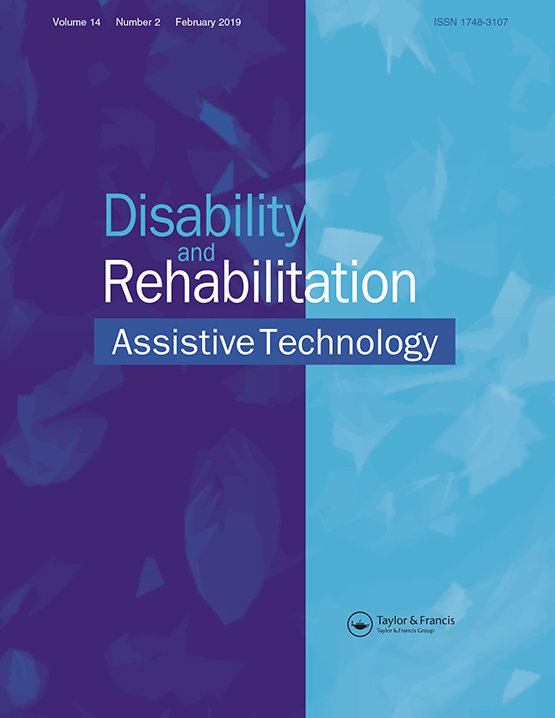
    Use of smartphones and tablets after acquired brain injury to support cognition

    Journal: Disability and Rehabilitation: Assistive Technology, 2023

    Objectives

    To describe the use of mobile devices after acquired brain injury (ABI), from the perspectives of injured individuals and significant others, and to examine factors associated with mobile device use for cognition.

    Methods

    Cross-sectional study with 50 adults with moderate/severe traumatic brain injury or stroke (42% women; mean of 50.7 years old, 4.6 years post-ABI), and 24 significant others. Participants completed questionnaires on mobile technology, cognitive functioning and the impact of technology.

    Results

    Of 45/50 adults with ABI who owned a smartphone/tablet, 31% reported difficulties in using their device post-injury, 44% had received support, and 46% were interested in further training. Significant others reported motor/visual impairments and the fear of becoming dependent on technology as barriers for mobile device use, and 65% mentioned that their injured relative needed additional support. Mobile device use for cognition was common (64%), predicted in a regression model by lower subjective memory and more positive perception of the psychosocial impacts of technology, and also associated in univariate analyses with younger age, lower executive functioning, and greater use of memory strategies.

    Conclusion

    Using mobile devices for cognition is common post-ABI but remains challenging for a significant proportion. Developing training approaches may help supporting technology use.

    • IMPLICATIONS FOR REHABILITATION

    • Using mobile electronic devices (smartphones and tablets) is common after acquired brain injury (ABI) but is challenging for a significant proportion of individuals.

    • After the ABI, close to 50% of individuals receive support in using their mobile device, mostly from family members and friends, but rarely from rehabilitation clinicians or technology specialists.

    • In a sample of 50 adults with ABI, more frequent use of mobile devices to support cognition was associated with poorer subjective memory and executive functioning, greater use of memory strategies, more positive perception of the psychosocial impacts of technology, and younger age.


    Click here to go to the article

  • By Admin / November 7, 2022

    NPsych Pick of the Month: October 2022

    Voice of Islam radio invited our clinician Dr Tomás Campbell to participate in a radio interview about the impact of early deprivation on brain development.

    Dr Tomás Campbell

    Voice of Islam Radio: Breakfast Show Podcast 28-10-2022. The interview starts at about 1 hour 20 min into the show.

    Click here to go to podcast

  • By Admin / August 5, 2022

    NPsych Pick of the Month, April 2021: The impact of Covid-19 and lockdown on the lives of people with traumatic brain injury: Do we need an increased focus on the assessment and enhancement of resilience? Campbell and Parrett. NPsych. The Neuropsychologist, 11, 2021.

  • By Admin / April 14, 2021

    NPsych Pick of the Month, April 2021: The impact of Covid-19 and lockdown on the lives of people with traumatic brain injury: Do we need an increased focus on the assessment and enhancement of resilience? Campbell and Parrett. NPsych. The Neuropsychologist, 11, 2021.

  • By Admin / February 22, 2021

    NPsych Pick of the Month: The aim of this study was to determine what type of rehabilitation is most effective for prolonged symptoms in adults following mild traumatic brain injury.

  • By Admin / December 2, 2020

    This important book presents a unique, personal account of the impact a mild traumatic brain injury can have.

  • By Admin / July 7, 2020

    This book provides an accessible introduction for healthcare professionals who work with people living with HIV.

  • By Admin / March 4, 2020

    This paper describes a condition termed post-flight confusion using anecdotal and clinical observations.

  • By Admin / February 5, 2020

    Postacute NR programs provide participants with various tools, skills, and psychological perspectives that they continue to gain from and generalize to real life after program completion, reflecting transformational processes with stable long-term benefits

  • By Admin / November 4, 2019

    Although the number of app installs and daily active minutes of use may seem high, only a small portion of users actually used the apps for a long period of time.

  • By Admin / August 5, 2019

    Many women who campaigned during the 1960s assumed that inequalities would melt away when the Sex Discrimination Act 1975 and the Equal Pay Act 1970 were enacted on 29th Dec 1979. Instead, throughout 2018 there has been a deluge of media coverage about gender inequalities and sexual harassment.

  • By Admin / June 29, 2019

    NPsych service development day

    with our guest speakers and fans.

    Thank you all for making such an interesting and fun day out! 🙂

  • By Admin / June 14, 2019

    Reg Parrett is a man approaching a milestone, he’ll be 100 next year and shows no signs of slowing down. Reg has also inspired our partner business – Helpd.co.uk.

  • By Admin / June 6, 2019

    Neuropsychological assessment can improve both diagnostic classification and prediction of long-term daily-life outcomes in patients across the lifespan.

  • By Admin / May 20, 2019

    Psychological resilience plays an important role in recovery from concussion, and this relationship may be mediated by anxiety and depressive symptoms.

  • By Admin / April 21, 2019

    Structural and functional connectivity changes in response to short-term neurofeedback training with motor imagery

    T.Marins, E.C. Rodrigues, T.Bortolini, Bruno Melo, J.Molla, F.Tovar-Molla. Available online 18 March 2019. In Press, Corrected Proof. NeuroImage

    https://doi.org/10.1016/j.neuroimage.2019.03.027

    Abstract

    Recent findings have been challenging current understanding of how fast the human brain change its structural and functional connections in response to training. One powerful way to deepen the inner workings of human brain plasticity is using neurofeedback (NFB) by fMRI, a technique that allows self-induced brain plasticity by means of modulating brain activity in real time. In the present randomized, double-blind and sham-controlled study, we use NFB to train healthy individuals to reinforce brain patterns related to motor execution while performing a motor imagery task, with no overt movement. After 1 h of NFB training, participants displayed increased fractional anisotropy (FA) in the sensorimotor segment of corpus callosum and increased functional connectivity of the sensorimotor resting state network. Increased functional connectivity was also observed in the default mode network. These results were not observed in the control group, which was trained with sham feedback. To our knowledge, this is the first demonstration of white matter FA changes following a very short training schedule (<1 h). Our results suggest that NFB by fMRI can be an interesting tool to explore dynamic aspects of brain plasticity and open new venues for investigating brain plasticity in healthy individuals and in neurological conditions.

  • By Admin / April 13, 2019

    Effects of animal-assisted therapy on social behaviour in patients with acquired brain injury: a randomised controlled trial.

    Karin Hediger, Stefan Thommen, Cora Wagner, Jens Gaab & Margret Hund-Georgiadis. Nature: Scientific Reports, volume 9, Published: 09 April 2019.
    https://www.nature.com/articles/s41598-019-42280-0

    Abstract
    Animal-assisted therapy (AAT) is increasingly used to address impaired social competence in patients with acquired brain injury. However, the efficacy of AAT has not been tested in these patients. We used a randomised, controlled within subject trial to determine the effects of AAT on social competence in patients undergoing stationary neurorehabilitation. Participants received both AAT sessions and paralleled conventional therapy sessions. The patients’ social behaviour was systematically coded on the basis of video recordings of therapy sessions. Moreover, mood, treatment motivation and satisfaction was measured during each therapy session. We analysed 222 AAT and 219 control sessions of 19 patients with linear mixed models. Patients showed a significantly higher amount of social behaviour during AAT. Furthermore, patients’ positive emotions, verbal and non-verbal communication, mood, treatment motivation and satisfaction were increased in the presence of an animal. Neutral emotions were reduced but no effect was found regarding negative emotions. Our results show that AAT increases aspects of social competence and leads to higher emotional involvement of patients with acquired brain injury, reflected in higher social engagement, motivation and satisfaction during a therapeutic session.

  • By Admin / April 6, 2019

    In summary, CCR5 is a translational target for neural repair in stroke and TBI and the first reported gene associated with enhanced recovery in human stroke.

  • By Admin / March 30, 2019

    Helmet use in preventing acute concussive symptoms in recreational vehicle related head trauma

    Marco Daverio, Franz E Babl, Ruth Barker, Dario Gregori, Liviana Da Dalt & Silvia Bressan

    Pages 335-341, Brain Injury. Published online: 22 Jan 2018

    https://doi.org/10.1080/02699052.2018.1426107

    ABSTRACT
    Objectives: Helmets use has proved effective in reducing head trauma (HT) severity in children riding non-motorised recreational vehicles. Scant data are available on their role in reducing concussive symptoms in children with HT while riding non-motorised recreational vehicles such as bicycles, push scooters and skateboards (BSS). We aimed to investigate whether helmet use is associated with a reduction in acute concussive symptoms in children with BSS-related-HT.

    Methods: Prospective study of children <18 years who presented with a BSS related-HT between April 2011 and January 2014 at a tertiary Paediatric Emergency Department (ED).

    Results: We included 190 patients. Median age 9.4 years (IQR 4.8–13.8). 66% were riding a bicycle, 23% a push scooter, and 11% a skateboard. 62% were wearing a helmet and 62% had at least one concussive symptom. Multivariate logistic regression analysis adjusting for age, gender, and type of vehicle showed that patients without a helmet presented more likely with headache (adjusted odds-ratio (aOR) 2.54, 95% CI 1.27–5.06), vomiting (aOR 2.16, 95% CI 1.00–4.66), abnormal behaviour (aOR 2.34, 95% CI 1.08–5.06), or the presence of at least one concussive symptom (aOR 2.39, 95% CI 1.20–4.80).

    Conclusions: In children presenting to the ED following a wheeled BSS-related HT helmet use was associated with less acute concussive symptoms.

    ABBREVIATIONS: aOR, adjusted odds ratio; APHIRST, Australasian Paediatric Head Injury Rules Study; BSS, bicycles, push scooters and skateboards; CI, confidence interval; CT, computed tomography; ED, emergency department; HT, head trauma; IQR, interquartile range; OR, odds ratio; RCH, Royal Children’s Hospital; RV, recreational vehicle.


  • By Admin / March 25, 2019

    Risk of Posttraumatic Stress Disorder and Major Depression in Civilian Patients After Mild Traumatic Brain Injury A TRACK-TBI Study.

    Stein, Sonia Jain, Giacino et al. JAMA Psychiatry. 2019; 76(3):249-258.

    https://doi.org/10.1001/jamapsychiatry.2018.4288

    Published online: January 30, 2019

    Abstract

    Importance  Traumatic brain injury (TBI) has been associated with adverse mental health outcomes, such as posttraumatic stress disorder (PTSD) and major depressive disorder (MDD), but little is known about factors that modify risk for these psychiatric sequelae, particularly in the civilian sector.

    Objective  To ascertain prevalence of and risk factors for PTSD and MDD among patients evaluated in the emergency department for mild TBI (mTBI).

    Design, Setting, and Participants  Prospective longitudinal cohort study (February 2014 to May 2018). Posttraumatic stress disorder and MDD symptoms were assessed using the PTSD Checklist for DSM-5 and the Patient Health Questionnaire-9 Item. Risk factors evaluated included preinjury and injury characteristics. Propensity score weights-adjusted multivariable logistic regression models were performed to assess associations with PTSD and MDD. A total of 1155 patients with mTBI (Glasgow Coma Scale score, 13-15) and 230 patients with nonhead orthopedic trauma injuries 17 years and older seen in 11 US hospitals with level 1 trauma centers were included in this study.

    Main Outcomes and Measures  Probable PTSD (PTSD Checklist for DSM-5 score, ≥33) and MDD (Patient Health Questionnaire-9 Item score, ≥15) at 3, 6, and 12 months postinjury.

    Results  Participants were 1155 patients (752 men [65.1%]; mean [SD] age, 40.5 [17.2] years) with mTBI and 230 patients (155 men [67.4%]; mean [SD] age, 40.4 [15.6] years) with nonhead orthopedic trauma injuries. Weights-adjusted prevalence of PTSD and/or MDD in the mTBI vs orthopedic trauma comparison groups at 3 months was 20.0% (SE, 1.4%) vs 8.7% (SE, 2.2%) (P < .001) and at 6 months was 21.2% (SE, 1.5%) vs 12.1% (SE, 3.2%) (P = .03). Risk factors for probable PTSD at 6 months after mTBI included less education (adjusted odds ratio, 0.89; 95% CI, 0.82-0.97 per year), being black (adjusted odds ratio, 5.11; 95% CI, 2.89-9.05), self-reported psychiatric history (adjusted odds ratio, 3.57; 95% CI, 2.09-6.09), and injury resulting from assault or other violence (adjusted odds ratio, 3.43; 95% CI, 1.56-7.54). Risk factors for probable MDD after mTBI were similar with the exception that cause of injury was not associated with increased risk.

    Conclusions and Relevance  After mTBI, some individuals, on the basis of education, race/ethnicity, history of mental health problems, and cause of injury were at substantially increased risk of PTSD and/or MDD. These findings should influence recognition of at-risk individuals and inform efforts at surveillance, follow-up, and intervention.

  • By Admin / March 15, 2019

    Sport-related Concussion Clinical Profiles: Clinical Characteristics, Targeted Treatments, and Preliminary Evidence.

    Kontos, Sufrinko, Sandel, Emami, Collins. Curr Sports Med Rep. 2019 Mar;18(3):82-92.

    www.doi.org/10.1249/JSR.0000000000000573

    Abstract

    Sport-related concussion (SRC) is a heterogeneous injury that involves varied symptoms and impairment that presents a significant clinical challenge to sports medicine professionals.

    In response to this challenge, clinical researchers have proposed clinical profiles or subtype models for assessing and treating athletes with SRC. One such model emphasizes five concussion clinical profiles including cognitive/fatigue, vestibular, ocular, migraine, and anxiety/mood. Sleep is a common modifier that co-occurs across these clinical profiles. A combination of medical history, risk factors, injury information, clinical characteristics, and assessment outcomes can inform each clinical profile.

    Preliminary data involving 236 patients from a concussion specialty clinic indicate that the migraine (26%) and anxiety/mood (24%) profiles are the most common, with vestibular and ocular profiles combined representing more than one third (35%) of clinical profiles.

    Findings also support several relationships among different clinical profiles including vestibular and migraine, suggesting that many athletes present with multiple clinical profiles. Targeted, active treatments for each profile are discussed.

  • By Admin / January 29, 2019

    Lagerstedt L, Egea-Guerrero JJ, Bustamante A, Rodríguez-Rodríguez A, El Rahal A, Quintana-Diaz M, et al. (2018) Combining H-FABP and GFAP increases the capacity to differentiate between CT-positive and CT-negative patients with mild traumatic brain injury. PLoS ONE 13(7): e0200394.

    https://doi.org/10.1371/journal.pone.0200394

    Abstract:

    Mild traumatic brain injury (mTBI) patients may have trauma-induced brain lesions detectable using CT scans. However, most patients will be CT-negative. There is thus a need for an additional tool to detect patients at risk. Single blood biomarkers, such as S100B and GFAP, have been widely studied in mTBI patients, but to date, none seems to perform well enough. In many different diseases, combining several biomarkers into panels has become increasingly interesting for diagnoses and to enhance classification performance.

    The present study evaluated 13 proteins individually—H-FABP, MMP-1, MMP-3, MMP-9, VCAM, ICAM, SAA, CRP, GSTP, NKDA, PRDX1, DJ-1 and IL-10—for their capacity to differentiate between patients with and without a brain lesion according to CT results. The best performing proteins were then compared and combined with the S100B and GFAP proteins into a CT-scan triage panel. Patients diagnosed with mTBI, with a Glasgow Coma Scale score of 15 and one additional clinical symptom were enrolled at three different European sites. A blood sample was collected at hospital admission, and a CT scan was performed. Patients were divided into two two-centre cohorts and further dichotomised into CT-positive and CT-negative groups for statistical analysis. Single markers and panels were evaluated using Cohort 1.

    Four proteins—H-FABP, IL-10, S100B and GFAP—showed significantly higher levels in CT-positive patients. The best-performing biomarker was H-FABP, with a specificity of 32% (95% CI 23–40) and sensitivity reaching 100%. The best-performing two-marker panel for Cohort 1, subsequently validated in Cohort 2, was a combination of H-FABP and GFAP, enhancing specificity to 46% (95% CI 36–55). When adding IL-10 to this panel, specificity reached 52% (95% CI 43–61) with 100% sensitivity.

    These results showed that proteins combined into panels could be used to efficiently classify CT-positive and CT-negative mTBI patients.

  • By Admin / January 25, 2019

    Neuroscience of Virtual Reality: From Virtual Exposure to Embodied Medicine.

    Giuseppe Riva, Brenda K. Wiederhold, and Fabrizia Mantovani. Cyberpsychology, Behavior, and Social Networking, Vol. 22, No. 1 Closing Editorial. Published Online:16 Jan 2019

    https://doi.org/10.1089/cyber.2017.29099.gri

    Abstract

    Is virtual reality (VR) already a reality in behavioral health? To answer this question, a meta-review was conducted to assess the meta-analyses and systematic and narrative reviews published in this field in the last twenty-two months. Twenty-five different articles demonstrated the clinical potential of this technology in both the diagnosis and the treatment of mental health disorders: VR compares favorably to existing treatments in anxiety disorders, eating and weight disorders, and pain management, with long-term effects that generalize to the real world. But why is VR so effective?

    Here, the following answer is suggested: VR shares with the brain the same basic mechanism: embodied simulations. According to neuroscience, to regulate and control the body in the world effectively, the brain creates an embodied simulation of the body in the world used to represent and predict actions, concepts, and emotions. VR works in a similar way: the VR experience tries to predict the sensory consequences of an individual’s movements, providing to him/her the same scene he/she will see in the real world.

    To achieve this, the VR system, like the brain, maintains a model (simulation) of the body and the space around it. If the presence in the body is the outcome of different embodied simulations, concepts are embodied simulations, and VR is an embodied technology, this suggests a new clinical approach discussed in this article: the possibility of altering the experience of the body and facilitating cognitive modeling/change by designing targeted virtual environments able to simulate both the external and the internal world/body.

  • By Admin / January 23, 2019

    Improvements in Attention Following Cognitive Training With the Novel “Decoder” Game on an iPad.

    George Savulich, Emily Thorp, Thomas Piercy, Katie A. Peterson, John D. Pickard, and Barbara J. Sahakian. Front. Behav. Neurosci., 21 January 2019.

    https://doi.org/10.3389/fnbeh.2019.00002

    Abstract:

    Work and study increasingly rely on the use of technologies requiring individuals to switch attention rapidly between emails, texts and tasks. This has led to healthy people having problems of attention and concentration and difficulties getting into the “flow,” which impedes goal attainment and task completion. Possibly related to this, there is an increasing diagnosis of attention deficit hyperactivity disorder (ADHD) and prescriptions of drugs such as methylphenidate. In addition to ADHD, attention is impaired in other neuropsychiatric disorders, such as schizophrenia and in traumatic brain injury (TBI).

    Based on neuropsychological and neuroimaging evidence, we developed “Decoder,” a novel game for targeted cognitive training of visual sustained attention on an iPad. We aimed to investigate the effects of cognitive training in 75 healthy young adults randomly assigned to a Cognitive Training (8 h of playing Decoder over 4 weeks; n = 25), Active Control (8 h of playing Bingo over 4 weeks; n = 25) or Passive Control (continuation of activities of daily living; n = 25) group.

    Results indicated that cognitive training with Decoder was superior to both control groups in terms of increased target sensitivity (A’) on the Cambridge Neuropsychological Test Automated Battery Rapid Visual Information processing (CANTAB RVP) test, indicating significantly improved sustained visual attention. Individuals playing Decoder also showed significantly better performance on the Trail Making Test (TMT) compared with those playing Bingo. Significant differences in visual analogue scales were also found between the two gaming groups, such that Decoder received higher ratings of enjoyment, task-related motivation and alertness across all hours of game play.

    These data suggest that cognitive training with Decoder is an effective non-pharmacological method for enhancing attention in healthy young adults, which could be extended to clinical populations in which attentional problems persist.

  • By Admin / January 17, 2019

    Traumatic Brain Injury and the Risk for Subsequent Crime Perpetration

    Bonow, Robert H; Wang, Jin, et al. The Journal of Head Trauma Rehabilitation: January/February 2019 – Volume 34 – Issue 1 – p E61–E69

    http://doi.org/10.1097/HTR.0000000000000413

    Abstract

    Objective:

    To examine whether patients with traumatic brain injury (TBI) are at higher risk for subsequent crime perpetration compared with injured patients without TBI and those hospitalized for reasons other than injury.

    Setting and Participants:

    Patients hospitalized in Washington State from 2006-2007.

    Design:

    A retrospective cohort study using linked statewide datasets.

    Main measures:

    Primary outcomes were arrest for any violent or nonviolent crime within 5 years of discharge. Adjusted subhazard ratios were calculated using regression models incorporating death as a competing risk.

    Results:

    Compared with uninjured patients (n = 158 247), the adjusted rate of arrest for any crime was greater among injured patients with TBI (n = 6894; subdistribution hazard ratios [sHR], 1.57; 95% confidence interval [CI], 1.49-1.62) and without TBI (n = 40 035; sHR, 1.55; 95% CI, 1.49-1.62). When patients with TBI were directly compared with injured patients without TBI, no effect of TBI on subsequent arrests was found (sHR, 1.02; 95% CI, 0.94-1.11). TBI did not increase the likelihood of either violent or nonviolent crime when these outcomes were examined separately.

    Conclusions:

    TBI survivors do not appear to be at increased risk for criminality compared with injured individuals without TBI. However, injured persons with or without TBI may be at elevated risk of crime perpetration compared with those who are uninjured.

  • By Admin / January 9, 2019

    Examining Predictors of Real-World User Engagement with Self-Guided eHealth Interventions: Analysis of Mobile Apps and Websites Using a Novel Dataset

    Amit Baumel, John M Kane. Journal of Medical Internet Research, Vol 20, No 12 (2018): December

    doi:10.2196/11491


    ABSTRACT

    Background: The literature suggests that the product design of self-guided electronic health (eHealth) interventions impacts user engagement. Traditional trial settings, however, do not enable the examination of these relationships in real-world use.


    Objective: This study aimed to examine whether the qualities of product design, research evidence, and publicly available data predict real-world user engagement with mobile and Web-based self-guided eHealth interventions.


    Methods: This analysis included self-guided mobile and Web-based eHealth interventions available to the public—with their qualities assessed using the Enlight suite of scales. Scales included Usability, Visual Design, User Engagement, Content, Therapeutic Persuasiveness, Therapeutic Alliance, Credibility, and Research Evidence. Behavioral data on real-world usage were obtained from a panel that provides aggregated nonpersonal information on user engagement with websites and mobile apps, based on a time window of 18 months that was set between November 1, 2016 and April 30, 2018. Real-world user engagement variables included average usage time (for both mobile apps and websites) and mobile app user retention 30 days after download.


    Results: The analysis included 52 mobile apps (downloads median 38,600; interquartile range [IQR] 116,000) and 32 websites (monthly unique visitors median 5689; IQR 30,038). Results point to moderate correlations between Therapeutic Persuasiveness, Therapeutic Alliance, and the 3 user engagement variables (.31≤rs≤.51; Ps≤.03). Visual Design, User Engagement, and Content demonstrated similar degrees of correlation with mobile app engagement variables (.25≤rs≤.49; Ps≤.04) but not with average usage time of Web-based interventions. Positive correlations were also found between the number of reviews on Google Play and average app usage time (r=.58; P<.001) and user retention after 30 days (r=.23; P=.049). Although several product quality ratings were positively correlated with research evidence, the latter was not significantly correlated with real-world user engagement. Hierarchical stepwise regression analysis revealed that either Therapeutic Persuasiveness or Therapeutic Alliance explained 15% to 26% of user engagement variance. Data on Google Play (number of reviews) explained 15% of the variance of mobile app usage time above Enlight ratings; however, publicly available data did not significantly contribute to explaining the variance of the other 2 user-engagement variables.


    Conclusions: Results indicate that the qualities of product design predict real-world user engagement with eHealth interventions. The use of real-world behavioral datasets is a novel way to learn about user behaviors, creating new avenues for eHealth intervention research.

  • By Admin / January 5, 2019

    Time for change in acquired brain injury

    David K Menon, Chris Bryant, MP. The Lancet, Neurology, CORRESPONDENCE| VOLUME 18, ISSUE 1, P28, JANUARY 01, 2019

    https://doi.org/10.1016/S1474-4422(18)30463-0

    The term acquired brain injury includes several conditions that affect clinical outcome and quality of life in survivors. The most common causes include traumatic brain injury, stroke, and hypoxic-ischaemic encephalopathy after cardiac arrest. Acquired brain injury is a rapidly growing public health problem, resulting in nearly 1000 hospital admissions each day in the UK, with about a 10% increase in incidence over the past decade. Although improvements in emergency care (eg, through major trauma centres, stroke units, and bystander cardiopulmonary resuscitation) have resulted in improvements in survival, neurorehabilitation provision for survivors is inadequate, and their reintegration into society is limited by a poor understanding of the consequences of acquired brain injury among non-specialists and the public.

    In this context, Time for change,1 the report produced by the UK All-Party Parliamentary Group on Acquired Brain Injury (APPG-ABI), argues for a better link between acute and post-acute care and makes a series of recommendations about other policy areas that need to be addressed. The APPG-ABI consists of UK Members of Parliament who have come together, with organisational support from the UK Acquired Brain Injury Foundation, to gather input from patients, patient support organisations, and health professionals.

    Acquired brain injury leaves survivors with a considerable burden of physical, cognitive, and psychosocial sequelae, and can also increase the risk of late neurodegenerative disease. Early neurorehabilitation is cost-effective and can minimise residual disability. However, neurorehabilitation resources across the UK are patchy and inadequate, implementation of past recommendations is poor, and the use of rehabilitation prescriptions is inconsistent. The report recommended a national review of neurorehabilitation provision and better recording of numbers of patients presenting at emergency departments with acquired brain injury.

    Many survivors of acquired brain injury are children and young people. However, many education professionals do not have awareness and understanding of acquired brain injury, which hampers educational progress and neglects an important opportunity for rehabilitation in the school environment. The report recommends inclusion of acquired brain injury in the Special Educational Needs and Disability Code of Practice, and that education professionals should have a minimum level of awareness and understanding about acquired brain injury, with additional training for named lead professionals.

    Children and young people with traumatic brain injury are more likely to develop behavioural problems that are linked to an increased propensity to criminal offending. Individuals in custody report a higher incidence of brain injury than the general population, but acquired brain injury is rarely considered in the justice system during police or court interviews, sentencing, or while assessing rehabilitative needs. Identifying and managing the consequences of acquired brain injury at an early stage could have substantial individual, societal, and financial benefits. The report indicated that these gains could be realised by better awareness of acquired brain injury among the professionals in the criminal justice system, assessment of individuals for brain injury when they enter the system, and ensuring that all stakeholders working in this context check that the rehabilitative needs of such individuals were appropriately addressed.

    Sport-related concussion is probably the most common cause of traumatic brain injury, and the small proportion of patients who have persistent post-concussional symptoms beyond 2 weeks is still a large number of patients. Repeated concussion might also predispose patients to late neurodegenerative disease. The report highlights the need for clear guidelines to establish the management, recovery, and safe return to play after a sport-related concussion.

    Furthermore, the report noted that many acquired brain injury survivors lose employment and income at a time when they are especially vulnerable. These difficulties are accentuated by the complexity of processes involved in accessing welfare benefits, which are challenging to acquired brain injury survivors, many of whom have cognitive problems. These problems can be compounded by poorly informed assessors with poor knowledge of acquired brain injury. The report recommended increasing assessment intervals and improving training of assessors.

    This report was published almost exactly a year since The Lancet Neurology Commission on traumatic brain injury2 was launched, with the aims of influencing research funders and policy makers. The first of these aims has been substantially realised through interactions with the International Initiative for Traumatic Brain Injury Research. The engagement of policy makers and patient organisations has resulted in outputs more slowly, but the report from the APPG-ABI is a very welcome step in the right direction.

  • By Admin / January 5, 2019

    The association between post-concussion symptoms and health-related quality of life in patients with mild traumatic brain injury

    Daphne C.Voormolena, Suzanne Polindera, Nicole von Steinbuechel, Pieter E.Vosc, Maryse C.Cnossena, Juanita A.Haagsmaad. Injury. Available online 7 December 2018

    https://doi.org/10.1016/j.injury.2018.12.002

    A subset of mild traumatic brain injury (mTBI) patients experience post-concussion symptoms. When a cluster of post-concussion symptoms persists for over three months, it is referred to as post-concussion syndrome (PCS). Little is known about the association between PCS and Health-Related Quality of Life (HRQoL) after mTBI. The aims of this study were to assess the implications of PCS on HRQoL six months after mTBI and the relationship between PCS and HRQoL domains. A prospective observational cohort study was conducted among a sample of mTBI patients. Follow-up postal questionnaires at six months after emergency department (ED) admission included socio-demographic information, the Rivermead Post-Concussion Symptoms Questionnaire (RPQ), and HRQoL measured with the 36-item Short-Form Health Survey (SF-36) and the Perceived Quality of Life Scale (PQoL). In total, 731 mTBI patients were included, of whom 38.7% were classified as suffering from PCS. Patients with PCS had significantly lower scores on all SF-36 domains, lower physical and mental component summary scores and lower mean PQoL scores compared to patients without PCS. All items of the RPQ were negatively correlated to all SF-36 domains and PQoL subscale scores, indicating that reporting problems on any of the RPQ symptoms was associated with a decrease on different aspects of an individuals’ HRQoL. To conclude, PCS is common following mTBI and patients with PCS have a considerably lower HRQoL. A better understanding of the relationship between PCS and HRQoL and possible mediating factors in this relationship could improve intervention strategies, the recovery process for mTBI patients and benchmarking.

  • By Admin / December 19, 2018

    Imperfect Cognitions

    Blog on delusional beliefs, distorted memories, confabulatory explanations, unrealistically optimistic predictions, and implicit biases.

    Thursday, 13 December 2018

    Women’s Voices in Psychiatry

    The blog post was written by clinical psychiatrist, Dr Gianetta Rands, presenting her new book “Women’s Voices in Psychiatry” [extract]:

    “Women’s Voices in Psychiatry was published in June 2018 by Oxford University Press. It is a collection of essays by women psychiatrists working, or who have worked, in the NHS. In addition, medical journalist Abi Rimmer writes on the history of women in British Medicine and Claire Murdoch, National Mental Health director at NHS England, reminisces about training as a registered mental nurse at Friern Hospital in the 1980s.” [continued through the link of original post below]:

    http://imperfectcognitions.blogspot.com/2018/12/womens-voices-in-psychiatry.html?m=1

  • By Admin / December 18, 2018

    Efficacy of interventions that use apps to improve diet, physical activity and sedentary behaviour: a systematic review.

    Stephanie SchoeppeEmail author, Stephanie Alley, Wendy Van Lippevelde, Nicola A. Bray, Susan L. Williams, Mitch J. Duncan and Corneel Vandelanotte

    International Journal of Behavioral Nutrition and Physical Activity. Published: 7 December 2016


    Background

    Health and fitness applications (apps) have gained popularity in interventions to improve diet, physical activity and sedentary behaviours but their efficacy is unclear. This systematic review examined the efficacy of interventions that use apps to improve diet, physical activity and sedentary behaviour in children and adults.

    Methods

    Systematic literature searches were conducted in five databases to identify papers published between 2006 and 2016. Studies were included if they used a smartphone app in an intervention to improve diet, physical activity and/or sedentary behaviour for prevention. Interventions could be stand-alone interventions using an app only, or multi-component interventions including an app as one of several intervention components. Outcomes measured were changes in the health behaviours and related health outcomes (i.e., fitness, body weight, blood pressure, glucose, cholesterol, quality of life). Study inclusion and methodological quality were independently assessed by two reviewers.

    Results

    Twenty-seven studies were included, most were randomised controlled trials (n = 19; 70%). Twenty-three studies targeted adults (17 showed significant health improvements) and four studies targeted children (two demonstrated significant health improvements). Twenty-one studies targeted physical activity (14 showed significant health improvements), 13 studies targeted diet (seven showed significant health improvements) and five studies targeted sedentary behaviour (two showed significant health improvements). More studies (n = 12; 63%) of those reporting significant effects detected between-group improvements in the health behaviour or related health outcomes, whilst fewer studies (n = 8; 42%) reported significant within-group improvements. A larger proportion of multi-component interventions (8 out of 13; 62%) showed significant between-group improvements compared to stand-alone app interventions (5 out of 14; 36%). Eleven studies reported app usage statistics, and three of them demonstrated that higher app usage was associated with improved health outcomes.

    Conclusions

    This review provided modest evidence that app-based interventions to improve diet, physical activity and sedentary behaviours can be effective. Multi-component interventions appear to be more effective than stand-alone app interventions, however, this remains to be confirmed in controlled trials. Future research is needed on the optimal number and combination of app features, behaviour change techniques, and level of participant contact needed to maximise user engagement and intervention efficacy.

    https://doi.org/10.1186/s12966-016-0454-y

  • By Admin / December 17, 2018

    Traumatic Brain Injury in Early Childhood and Risk of Attention-Deficit/Hyperactivity Disorder and Autism Spectrum Disorder: A Nationwide Longitudinal Study.

    Chang HK, Hsu JW, Wu JC, Huang KL, Chang HC, Bai YM, Chen T, Chen M. J Clin Psychiatry. 2018 Oct 16;79(6).

    https://doi.org/10.4088/JCP.17m11857

    OBJECTIVE:

    Early childhood (< 3 years of age) is a critical period for neurodevelopment. This study investigated the correlation between early childhood traumatic brain injury (TBI) and subsequent risk of attention-deficit/hyperactivity disorder (ADHD), autism spectrum disorder (ASD), and developmental delay (DD) by analyzing a national-scale cohort.

    METHODS:

    Data from the National Health Insurance Research Database, which comprises health care information from > 99% of the Taiwanese population, were analyzed. Children with TBI in their early childhood were enrolled from 1998-2008, and the incidence of subsequent ADHD, ASD, or DD (according to ICD-9 criteria) was assessed and compared with controls without TBI. Patients’ age, number of TBI events, and TBI severity were investigated for the risk of ADHD, ASD, or DD.

    RESULTS:

    A total of 7,801 and 31,204 children were enrolled in the TBI and control cohorts, respectively. The TBI cohort exhibited a higher incidence of subsequent ADHD, ASD, or DD than the controls (all P < .001). Diagnoses of ADHD, ASD, or DD in the TBI cohort were made at a younger age compared with the controls. Cox regression demonstrated the highest hazard ratios (HRs) of ADHD, ASD, or DD with repeated TBI events, severe TBI, and TBI events before 1 year of age, with the exception that the HR of ASD did not significantly increase after repeated TBI (P = .335). In addition, cumulative HRs (> 10 years) of ADHD, ASD, or DD were increased after TBI (all P < .001).

    CONCLUSIONS:

    Data from this study suggest that the incidence of ADHD, ASD, and DD significantly increased after TBI events in early childhood (< 3 years of age). The risk factors include severe TBI, repeated TBI events, and TBI at a younger age. The long-term follow-up demonstrated an increased cumulative risk of ADHD, ASD, and DD after TBI.

  • By Admin / December 12, 2018

    Special Issue – Therapeutic Benefits of Physical Activity for Mood: A Systematic Review on the Effects of Exercise Intensity, Duration, and Modality.

    John S. Y. Chan, Guanmin Liu, Danxia Liang, Kanfeng Deng, Jiamin Wu & Jin H. Yan.

    Published online: 15 Oct 2018 The Journal of Psychology: Interdisciplinary and Applied.

    Abstract

    In contemporary society, people experience considerable stress in their daily lives. Therefore, developing effective approaches and convenient means to cope with their mood problems is important nowadays. Physical activity has been consistently reported as a cost-effective way to improve physical fitness, prevent mental illnesses, and alleviate mood problems. In this systematic review, the effects of exercise intensity, duration, and modality on mood change are discussed.

    Results show that moderate-intensity anaerobic exercise is associated with greater mood improvements. The relationship between exercise duration and mood change is non-linear; A regime of 10- to 30-minute exercise is sufficient for mood improvements. For exercise modality, anaerobic exercise improves mood, but the efficacy of aerobic and mindfulness-related exercises remains to be further examined.

    In addition to the systematic review of potential moderators, a narrative review of psychological and neurophysiological theories of exercise effects on mood is provided; we have highlighted the central role of neuroplasticity in integrating the two classes of theories. An adoption of neuroimaging techniques in future research is critical to reveal the mechanisms underpinning the therapeutic influence of physical activity on affective responses. Some future research directions are also raised.

    https://doi.org/10.1080/00223980.2018.1470487


  • By Admin / December 8, 2018

    Direct Electrical Stimulation of Lateral Orbitofrontal Cortex Acutely Improves Mood in Individuals with Symptoms of Depression, Vikram R. Rao, Kristin K. Sellers, Deanna L. Wallace, Maryam M. Shanechi, Heather E. Dawes, Edward F. Chang. Current Biology. Published: November 29, 2018

    Summary

    Mood disorders cause significant morbidity and mortality, and existing therapies fail 20%–30% of patients. Deep brain stimulation (DBS) is an emerging treatment for refractory mood disorders, but its success depends critically on target selection. DBS focused on known targets within mood-related frontostriatal and limbic circuits has been variably efficacious.

    Here, we examine the effects of stimulation in orbitofrontal cortex (OFC), a key hub for mood-related circuitry that has not been well characterized as a stimulation target. We studied 25 subjects with epilepsy who were implanted with intracranial electrodes for seizure localization. Baseline depression traits ranged from mild to severe. We serially assayed mood state over several days using a validated questionnaire. Continuous electrocorticography enabled investigation of neurophysiological correlates of mood-state changes. We used implanted electrodes to stimulate OFC and other brain regions while collecting verbal mood reports and questionnaire scores.

    We found that unilateral stimulation of the lateral OFC produced acute, dose-dependent mood-state improvement in subjects with moderate-to-severe baseline depression. Stimulation suppressed low-frequency power in OFC, mirroring neurophysiological features that were associated with positive mood states during natural mood fluctuation. Stimulation potentiated single-pulse-evoked responses in OFC and modulated activity within distributed structures implicated in mood regulation. Behavioral responses to stimulation did not include hypomania and indicated an acute restoration to non-depressed mood state.

    Together, these findings indicate that lateral OFC stimulation broadly modulates mood-related circuitry to improve mood state in depressed patients, revealing lateral OFC as a promising new target for therapeutic brain stimulation in mood disorders.

    https://doi.org/10.1016/j.cub.2018.10.026

  • By Admin / December 8, 2018

    Perceived post-traumatic growth may not reflect actual positive change: A short-term prospective study of relationship dissolution, Meghan Owenz, Blaine J. Fowers. Journal of Social and Personal Relationships. Article first published online: November 19, 2018.

    Abstract

    Romantic relationship breakups induce significant distress, which has prompted interest in the possibility of post-traumatic growth (PTG) following relationship dissolution. However, most studies have relied on retrospective self-reports of growth, raising questions about the actuality of growth following breakup. 

    This prospective study assessed relationship quality prior to breakup, measured growth over time, included a comparison group that did not experience breakup, and tested rival hypotheses to assess PTG in comparison with positive reappraisal (PR). College students (N = 599) in romantic relationships were recruited as participants and assessed at two time points approximately 10 weeks apart. The primary sample includes participants who experienced a relationship breakup (N = 100).

    Results indicated that, following a breakup, participants reported a high degree of breakup distress and perceived growth. The pattern of results suggests that reports of perceived PTG may reflect PR processes, as evidenced by the correlation between optimism at Time 1 and perceived, but not actual, PTG at Time 2. 

    Consistent with previous prospective research, but differing from much of the retrospective research, a measure of “actual growth” was unrelated to distress, perceived growth, or whether the individual experienced a breakup. The results corroborate research suggesting that retrospective reports of PTG may not reflect actual personal growth measured before and after a traumatic event.

  • By Admin / December 2, 2018

    The Brain Injury Rehabilitation Workbook edited by Rachel Winson, Barbara A. Wilson, and Andrew Bateman.

    Packed with practical tools and examples, this state-of-the-art workbook provides a holistic framework for supporting clients with acquired brain injury. Clinicians are guided to set and meet collaborative treatment goals based on a shared understanding of the strengths and needs of clients and their family members. Effective strategies are described for building skills and teaching compensatory strategies in such areas as attention, memory, executive functions, mood, and communication. Particular attention is given to facilitating the challenging process of identity change following a life-altering injury. In a large-size format for easy photocopying, the volume features 93 reproducible client handouts. Purchasers get access to a Web page where they can download and print the reproducible materials.

  • By Admin / December 2, 2018

    The Surprisingly Powerful Influence of Drawing on Memory by Myra A. Fernandes, Jeffrey D. Wammes, Melissa E. Meade. First Published August 30, 2018.

    Abstract: The colloquialism “a picture is worth a thousand words” has reverberated through the decades, yet there is very little basic cognitive research assessing the merit of drawing as a mnemonic strategy. In our recent research, we explored whether drawing to-be-learned information enhanced memory and found it to be a reliable, replicable means of boosting performance. Specifically, we have shown this technique can be applied to enhance the learning of individual words and pictures as well as textbook definitions. In delineating the mechanism of action, we have shown that gains are greater from drawing than other known mnemonic techniques, such as semantic elaboration, visualization, writing, and even tracing to-be-remembered information. We propose that drawing improves memory by promoting the integration of elaborative, pictorial, and motor codes, facilitating the creation of a context-rich representation. Importantly, the simplicity of this strategy means it can be used by people with cognitive impairments to enhance memory, with preliminary findings suggesting measurable gains in performance in both normal aging individuals and patients with dementia.

  • By Admin / November 22, 2018

    Retrograde Personal Semantic Memory During Post-Traumatic Amnesia and Following Emergence. Caroline M. Roberts, Gershon Spitz, Matthew Mundy and Jennie L. Ponsford. Journal of the International Neuropsychological Society. Volume 24, Issue 10 November 2018, pp. 1064-1072.

    Objectives: Anecdotal reports suggest that following traumatic brain injury (TBI) retrograde memories are initially impaired and recover in order of remoteness. However, there has been limited empirical research investigating whether a negative gradient in retrograde amnesia—relative preservation of remote over recent memory—exists during post-traumatic amnesia (PTA) compared with the acute phase post-emergence. This study used a repeated-measures design to examine the pattern of personal semantic (PS) memory performance during PTA and within two weeks of emergence to improve understanding of the nature of the memory deficit during PTA and its relationship with recovery.

    Methods: Twenty patients with moderate-severe TBI and 20 healthy controls (HCs) were administered the Personal Semantic Schedule of the Autobiographical Memory Interview. The TBI group was assessed once during PTA and post-emergence. Analysis of variance was used to compare the gradient across lifetime periods during PTA relative to post-emergence, and between groups.

    Results: PS memory was significantly lower during PTA than post-emergence from PTA, with no relative preservation of remote memories. The TBI group was still impaired relative to HCs following emergence from PTA. Lower overall PS memory scores during PTA were associated with increased days to emerge from PTA post-interview.

    Conclusions: These results suggest a global impairment in PS memory across lifetime periods particularly during PTA, but still present within 2 weeks of emergence from PTA. PS memory performance may be sensitive to the diffuse nature of TBI and may, therefore, function as a clinically valuable indicator of the likely time to emerge from PTA. (JINS, 2018, 24, 1064–1072).

    https://doi.org/10.1017/S1355617718000565

  • By Admin / November 19, 2018

    Torous J, Wisniewski H, Liu G, Keshavan M. (2018). Mental Health Mobile Phone App Usage, Concerns, and Benefits Among Psychiatric Outpatients: Comparative Survey Study. JMIR Ment Health 2018;5(4):e11715.

    A total of 113 patients at the private insurance clinic and 73 at the state DMH clinic completed the survey. Those in the private insurance clinic were more likely to download a mental health app compared to the state DMH clinic, but actual rates of reported current app usage were comparable at each clinic, approximately 10%.

    Conclusions: High interest in mental health apps does not automatically translate into high use. Patients may require continuous support in using relevant health apps.

    https://mental.jmir.org/2018/4/e11715/

  • By Admin / November 19, 2018

    Michael Fralick, Eric Sy, Adiba Hassan, et al. (2018). Association of Concussion With the Risk of Suicide. A Systematic Review and Meta-Analysis. JAMA Neurol. Published online November 12, 2018.

    Systematic review and meta-analysis found a 2-fold higher risk of subsequent suicide among more than 700 000 patients diagnosed with concussion and/or mild TBI, compared with more than 6.2 million individuals who had not been so diagnosed. Experiencing concussion and/or mild TBI was also associated with a higher risk of suicide attempt and suicidal ideation.

    These results suggest that experiencing concussion and/or mild TBI is associated with an increased risk of suicide.

    https://jamanetwork.com/journals/jamaneurology/fullarticle/2712851

  • By Admin / September 25, 2018

    Disorders of Consciousness due to Traumatic Brain Injury: Functional Status Ten Years Post-Injury, Journal of Neurotrauma, September 2018, F. Hammond; J. Giacino; R. Nakase-Richardson; J. A. Haley; X. Tang.

    Few studies have assessed the long-term functional outcomes of patients with a disorder of consciousness due to traumatic brain injury (TBI).

    This study examined functional status during the first ten years after TBI among a cohort with disorders of consciousness (i.e., coma, vegetative state, minimally conscious state).

    The study sample included 110 individuals with TBI who were unable to follow commands prior to inpatient rehabilitation and for whom follow-up data were available at 1, 2, 5, and 10 years post-injury.

    The sample was subdivided into those who demonstrated command-following early (before 28 days post-injury) versus late (>28 days post-injury or never).

    Measureable functional recovery occurred throughout the 10-year period, with more than 2/3 of the sample achieving independence in mobility and self-care, and about 1/4 achieving independent cognitive function by 10 years.

    Following commands prior to 28 days was associated with greater functional independence at all outcome time points.

    More than half the sample achieved near-maximal recovery by 1-year post-injury, while the later command-following subgroups recovered over longer periods of time. Significant late functional decline was not observed in this cohort.

    The proportion of participants achieving functional independence increased between 5 and 10 years post-injury.

    These findings suggest that individuals with disorders of consciousness may benefit from ongoing functional monitoring and updated care plans for at least the first decade after TBI.

  • By Admin / September 20, 2018

    What’s the science?

    Millions of cases of mild traumatic brain injury occur each year. Computed tomography (CT) scans are used to detect mild traumatic brain injury, and MRI can be used to detect subtle changes in the brain like neuron axonal injury, however these are costly and time-consuming. There is a need for a blood-based biomarker that can detect milder forms of brain injury to ensure proper treatment for these patients. This week in Neurology, Ori and colleagues test whether blood-based biomarkers are associated with neuroimaging changes (on CT and MRI scans) and can successfully detect mild traumatic brain injury.

    How did they do it?

    Four blood-based biomarkers have previously been associated with brain changes that follow traumatic brain injury of varying severities: Tau (a neuronal injury marker), Glial Fibrillary Acidic protein, ubiquitin carboxyl-terminal hydrolase L1 (UCH-L1) and neurofilament light. The authors aimed to assess whether any of these biomarkers would be elevated in mild traumatic brain injury and whether they were also associated with subtle structural changes shown on an MRI scan (using diffusion tensor imaging). A group of 277 patients seeking care for a mild brain injury were enrolled in the study. Blood was drawn to measure plasma concentrations of biomarkers and CT and MRI scans were performed within 48 hours of the injury. A control group of 49 healthy participants (with well-matched demographics) was included for comparison.
    What did they find?

    Glial Fibrillary Acidic protein, Tau and Neurofilament light were all higher in patients with mild traumatic brain injury compared to controls. Glial Fibrillary Acidic protein was the best predictor of mild traumatic brain injury (diagnosis). When patients with mild brain injury were stratified into those with and without changes on their CT scans, Glial Fibrillary Acidic protein, Tau and neurofilament light concentrations were all higher in patients with detectable changes. However, Glial Fibrillary Acidic protein concentration was the only biomarker that significantly predicted trauma-related CT scan changes. Glial Fibrillary Acidic protein, Tau and Neurofilament light all predicted structural MRI changes, however Glial Fibrillary Acidic protein was the strongest predictor of structural MRI changes related to mile traumatic brain injury.

    What’s the impact?

    This is the first study to examine whether blood-based biomarkers can be used to detect mild traumatic brain injury. Glial Fibrillary Acidic protein concentration is a sensitive predictor of mild traumatic brain injury and is also closely associated with neuroimaging changes. CT and MRI scans are expensive and time-consuming, so having methods to detect the presence and severity of brain injury early on is important for proper and effective treatment.

    Gill et al (2018). Glial fibrillary acidic protein elevations relate to neuroimaging abnormalities acutely following a mild traumatic brain injury. Neurology, Sep 12, 2018.

  • By Admin / May 28, 2018

    Neuropsychological Recovery Trajectories in Moderate to Severe Traumatic Brain Injury: Influence of Patient Characteristics and Diffuse Axonal Injury

    Amanda R. Rabinowitz, Tessa Hart, John Whyte, Junghoon Kim

    Published online: 16 October 2017, pp. 237-246

    Objectives: The goal of the present study was to elucidate the influence of demographic and neuropathological moderators on the longitudinal trajectory neuropsychological functions during the first year after moderate to severe traumatic brain injury (TBI). In addition to examining demographic moderators such as age and education, we included a measure of whole-brain diffuse axonal injury (DAI), and examined measures of processing speed (PS), executive function (EF), and verbal learning (VL) separately. Methods: Forty-six adults with moderate to severe TBI were examined at 3, 6, and 12 months post-injury. Participants underwent neuropsychological evaluation and neuroimaging including diffusion tensor imaging. Using linear mixed effects modeling, we examined longitudinal trajectories and moderating factors of cognitive outcomes separately for three domains: PS, VL, and EF. Results: VL and EF showed linear improvements, whereas PS exhibited a curvilinear trend characterized by initial improvements that plateaued or declined, depending on age. Age moderated the recovery trajectories of EF and PS. Education and DAI did not influence trajectory but were related to initial level of functioning for PS and EF in the case of DAI, and all three cognitive domains in the case of education. Conclusions: We found disparate recovery trajectories across cognitive domains. Younger age was associated with more favorable recovery of EF and PS. These findings have both clinical and theoretical implications. Future research with a larger sample followed over a longer time period is needed to further elucidate the factors that may influence cognitive change over the acute to chronic period after TBI. (JINS, 2018, 24, 237–246)

    https://www.cambridge.org/core/journals/journal-of-the-international-neuropsychological-society/article/neuropsychological-recovery-trajectories-in-moderate-to-severe-traumatic-brain-injury-influence-of-patient-characteristics-and-diffuse-axonal-injury/6F22CA4361481005F235BE84E4A89E63

  • By Admin / May 21, 2018

    Home Environment as a Predictor of Long-Term Executive Functioning following Early Childhood Traumatic Brain Injury | Journal of International Neuropsychological Society Vol 24, issue 1, Jan 2018

    This study examined the relationship of the home environment to long-term executive functioning (EF) following early childhood traumatic brain injury (TBI). Methods: Participants (N=134) were drawn from a larger parent study of 3- to 6-year-old children hospitalized for severe TBI (n=16), complicated mild/moderate TBI (n=44), or orthopedic injury (OI; n=74), recruited prospectively at four tertiary care hospitals in the United States and followed for an average of 6.8 years post-injury. Quality of the home environment, caregiver psychological distress, and general family functioning were assessed shortly after injury (i.e., early home) and again at follow-up (i.e., late home). Participants completed several performance-based measures of EF at follow-up.

    Conclusions: The home environment is not a consistent predictor of long-term EF in children with early TBI and OI, but may moderate the effects of TBI on EF.

    The findings suggest that interventions designed to improve the quality of stimulation in children’s home environments might reduce the long-term effects of early childhood TBI on EF.

    (JINS, 2018, 24, 11–21)

    https://doi.org/10.1017/S1355617717000595

  • By Admin / May 16, 2018

    Sleep discrepancies are common in primary insomnia (PI) and include reports of longer sleep onset latency (SOL) than measured by polysomnography (PSG).

    PI (n = 32) and good sleeper controls (GS; n = 30) completed [18F]fluorodeoxyglucose positron emission tomography (FDG-PET) scans during NREM sleep, and relative regional cerebral metabolic rate for glucose (rCMRglc) was measured. Sleep discrepancy was calculated.

    Significant group by SOL discrepancy interactions for rCMRglc were observed in several brain regions.

    Although preliminary, these findings suggest regions of the brain previously shown to be involved in conscious awareness, and the perception of PSG-defined states may also be involved in the phenomena of SOL discrepancy.

    https://academic.oup.com/sleep/article-abstract/40/11/zsx155/4282628

    Neuroscience News spoke to one of co-authors:

    “Previous studies found that patients with insomnia appear to be asleep, their eyes are closed and their brain is in a characteristic sleep pattern, but you wake them up and guess what they are more likely to tell you? ‘I was awake,’” Kay said.

    Kay and his colleagues found that when patients reported being awake longer than polysomnography measured, they had greater activity in regions of the brain associated with conscious awareness during non-rapid eye movement sleep.

    When good sleepers reported going to sleep before polysomnographic sleep occurred, they too had greater brain activity in the same regions.

    Kay suggested that while both patients with insomnia and normal sleepers may experience an inhibition process while falling asleep, patients with insomnia may not perceive being asleep until their brain has a large increase in inhibitory activity in brain regions involved in conscious awareness. Good sleepers, likewise, may experience going to sleep before the objective measure due to greater inhibitory processes in consciousness centers of the brain.

    Kay hopes to take these findings and research potential treatments for insomnia.

    Why People With Insomnia Don’t Know They’re Asleep – Neuroscience News

    http://neurosciencenews.com/sleep-insomnia-8707/

Facebook
Twitter
LinkedIn